

Role of the Church in Emerging Technological Revolution
Technology in itself carries no inherent morality; it is neither good nor evil. Its ethical value emerges from one’s intent, vision, and spiritual orientation. Like the knife that nourish life in the hands of chef or end it through violence in the hands of thief; the blade remains neutral, only directed by the wielder’s will. Therefore, technology has no embedded sin or virtue; it only amplifies what already exist within human beings. That’s why Scripture consistently places moral responsibility on the human heart and not on the objects.
“The LORD looks not at the outward appearance, but at the heart.” (1 Samuel 16:7)
We are living in an age of rapid transformation, where technology permeates nearly every aspect of life and is quietly reshaping how we think, choose, and live. Children are surrounded by an ever-expanding array of gadgets and are immersed in an unceasing flood of information which is silently shaping their imaginations. We stand at a decisive crossroads in history, where modern technology is not merely advancing but crossing long-established cultural and ethical boundaries. Developments in Nano Engineering, Bio-Genetics and Neuro Science are fundamentally altering how power, work, and responsibilities are distributed. For example, consider the technologies such as IoBNT (Internet of Bio-nano Things), CRISPR gene-editing technology and AI’s large-scale automation.
Microsoft’s patent application *060606 titled “Cryptocurrency system using body activity data” is the initial attempt to integrate technologies for evil. Technologies such as quantum dots, used in bio-imaging and biosensing for targeted drug delivery when combined with IoBNT will seamlessly integrate injected Individuals to the global network forming Internet of Bodies or Internet of everything. Similarly, mRNA vaccines are another emerging technology that has potential to change DNA and rewrite epigenetic markers, opening doors for Bio-Hacking.
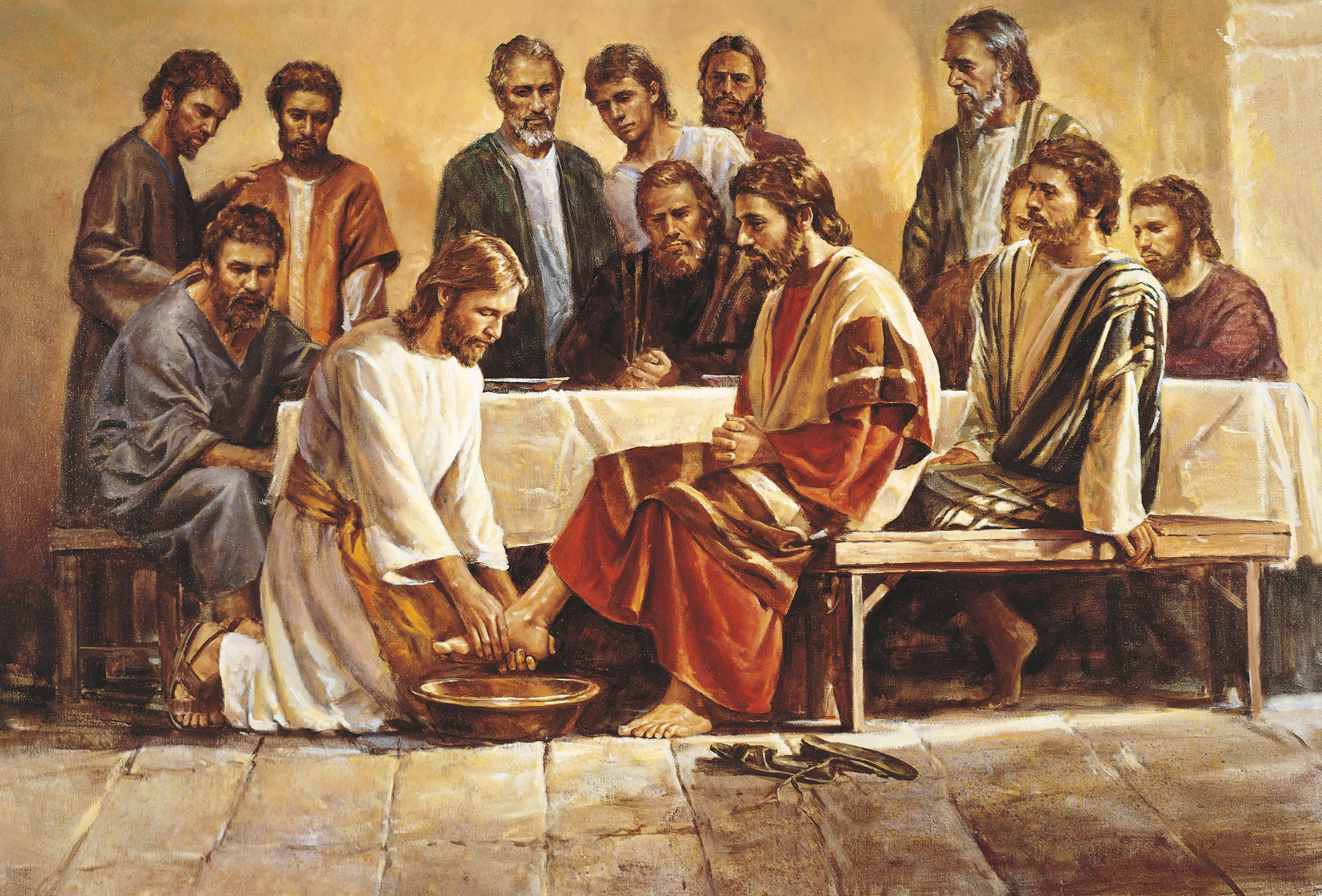
Therefore, the fear of surveillance is increasingly haunting believers, pushing many towards isolation. But Jesus did not endure the cross to produce fearful disciples. If we are truly to imitate Him (1 Peter 2:21), we are called to stand boldly against the vices of our age, not retreat from them. In the contemporary era, the church has largely abdicated this pioneering spirit, relegating technological leadership to secular institutions and corporate interests; often responding only after technologies are deployed, issuing moral cautions rather than offering formative vision.
What we are seeing is total spiritual bankruptcy in the secular world. Secular science has no answers for the life’s fundamental questions (who am ‘I’, why am I here and where am I going?). Yet its philosophical implications are impacting our moral and ethical ideas; which is slowly transforming the laws of nations and its economy and religion like the three frogs of revelation (Rev 16:13). But Jesus is the Truth, and we as the trusties of his testimony in this world are supposed to decree his laws in this World. As the Scripture says “Declare among the heathen that the Lord reigneth; and he will Judge the world in Righteousness and Truth (Psalm 96:10-13)”.
Historically, the Body of Christ stood at the very frontiers of human progress introducing fundamental rights rooted in conviction that every human bears God’s image. It foughtfor upholding property rights for the marginalized, stood for abolition of slavery and built institutions to take care of the poor and weak. They were revolutionaries that laid the foundations that every nation accepts today and incorporated into their constitutions1. They exposed ungodly laws of the wicked leadership by enduring the cross; overcoming evil with Good.
Therefore, surveillance is not bad, proper governance is good, it was created by and for Jesus (Col 1:16, Eph 1:21). What enemy intends for evil; God is able to redeem and repurpose for good. When surveillance is governed by righteousness, accountability, and care for human dignity, it will serve godly order. So, the real question is not whether we are watched, but under whose authority. Scripture reminds us that we live under God’s watchful eyes (Proverbs 15:3) and God’s angels ‘encamp around those who fear Him’ (Psalm 34:7). Technology need not mirror the enemy’s intent. In the hands of a people shaped by God’s purposes, it can become a means by which heaven’s order touches the earth.
That’s why the Spirit of Truth obliged God fearing men to print the books, ensuring the preservation and wide dissemination of Scripture and knowledge. They fostered environments in which the fundamentals of scientific inquiry could be explored believing that studying creation was a way of honouring the Creator2. From this vision emerged universities dedicated to the disciplined pursuit of truth, hospitals committed to the care of the sick and vulnerable, and even early banking and trust systems designed to promote stewardship, fairness, and social stability. They create museums and explore ancient sites searching for facts. With little strength they fought a good fight, even with faith small as muster seed, they built a momentum preaching the Gospel of the Kingdom3.
If church withdraws from shaping technology, others inevitably will do it. The church is the agency through which heaven’s decrees are administered on earth. It is a living witness to truth, justice, and freedom. Our Heavenly Father is a creator and we inherit his genes of Innovative spirit. As Christians we challenge the pagan dogma and Innovate scientific methods that imitate his will. Faithfull believers can transform instruments of harm into channels of blessing. Let God’s body pass on hope and vision to the coming generations.
Prophetic visions from the scriptures can guide us to fight the giants of our times. Consider Isaiah’s vision of wolf beside the lamb, it’s a biotechnological revolution removing the carnivorous epigenetics. Or the vision of the carpenter strengthening the goldsmith which points to a cooperative economic and technological model of mutual reinforcement rather than exploitation. Innovation, when rightly aligned, fosters shared flourishing, where skills, systems, and resources work together for the common good rather than concentrating power in the hands of a few.
Even AI-driven automated systems, often feared as instruments of control or displacement, can become tools of provision and rest when governed by wisdom. Scripture says that God gives sleep to those He loves, even as He provides for them (Psalm 127:2). In this light, automation can reflect a redeemed economy, in which God’s children are sustained not by anxious toil alone (Habakkuk 2:13), but through systems designed to serve human dignity, stewardship, and Sabbath rest.
We are not fighting against flesh and blood but spiritual wickedness in high places so our weapons cannot be carnal but should be mighty in God to pull strong holds. Only by his Grace can we see his glory in every detail of creation and carry this good-news unto every creature until every kingdom of this world embrace God’s original Idea (Rev 11:15).
Further References:
- The Book that made your World – by Vishal Mangalwadi
- The Soul of Science – by Nancy R. Pearcey
- Rediscovering Kingdom – By Myles Munroe